
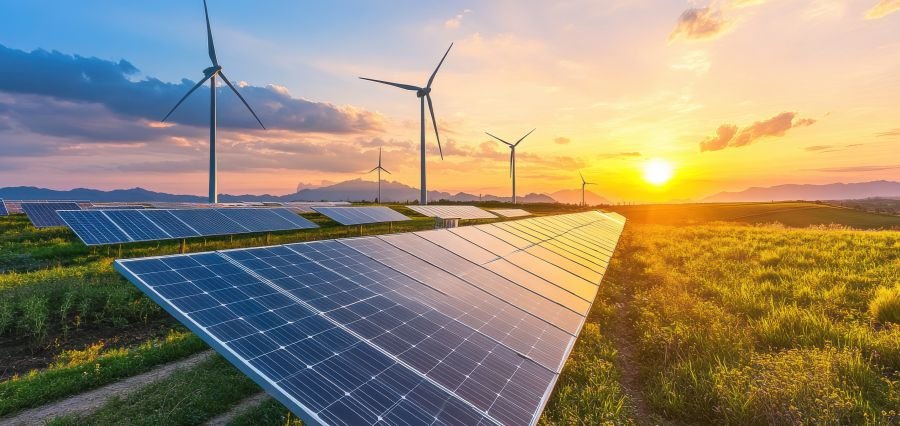
The Renewables are transforming the world’s energy at record speed with a cleaner and greener option than fossil fuel. Determining drivers for the future of renewable energies is most important to policymakers, investors, and even all of us because it will decide how energy transition occurs. This article brings the most important drivers, challenges, and trends that are shaping the future of renewable energy and how it powers our world.
Understanding Factors Influencing the Future of Renewable Energy
- Technological Innovation and Advances:
Technological innovation is one of the principal drivers for renewable energy in the future. Further technological innovation in solar photovoltaic (PV) technology, wind turbine technology, energy storage, and smart grid management will be essential to the cost and reliability of renewable energy resources. Innovation in material science, manufacturing technologies, and information and communications technology will keep driving and making use of renewable energy solutions.
- Cost Effectiveness and Affordability
The price of renewable technology has come down significantly over the last couple of years and is on par with traditional fossil fuels. Renewable energy can only go up in price as economies of scale move forward and technology improves. The future of renewable energy in its success will depend on how cheap it can become and provide cheap sources of energy to consumers and industry.
- Policy Support and Regulatory Frameworks:
The future of renewable energy heavily relies on government policy and regulation. Positive policies like renewable portfolio standards, feed-in tariffs, carbon pricing schemes, and tax credits can stimulate investment in renewable energy projects and make them viable. Transparent and stable regulation is the main ingredient for creating a secure and stable investment climate.
- Energy Storage Solutions:
One of the greatest challenges that renewable energy will have to overcome in the future is that renewable energies, i.e., solar and wind, are intermittent. New locations for energy storage, including battery storage, pumped hydro storage, and thermal energy storage, will have to be found in order to get around this challenge and provide a sustainable quantity of renewable energy. Continuous innovation in the field of energy storage will be required to be in a position to utilize renewable energy in sufficient amounts.
- Grid Modernization and Integration:
Large-scale integration of renewable power sources in the existing power grids demands expansion and modernization of the grid. The grid needs automation- and communication-enabled smart grid technologies to compensate for the uncertainty associated with renewable energy resources and maintain optimal grid performance. Renewable energy prospects are based on establishing strong and responsive grid infrastructure.
- Public Awareness and Acceptance
Mass deployment of renewable energy must have public acceptance and endorsement. Public consciousness of renewable energy’s benefits, de-mystification of its affordability and reliability, and public acceptance of renewable energy schemes are essential to successful crossing of social and political hurdles. Success with renewable energy relies on gaining the people’s trust and confidence.
- Investment and Financing:
It will require a colossal level of investment in developing and deploying renewable energy projects. Mobilization via private capital, mobilization of institutional investors, and access to green finance will be the determining factors that drive the energy transition. Renewable energy will be a function of the level of financing and investment made available.
- International Cooperation and Transfer of Technology:
Global cooperation and technology transfer are crucial to the dissemination of the use of renewable energy throughout the world. Sharing best practices, joint research and development, economic and technical cooperation with developing countries are key elements for the accelerated transition to a renewable energy economy. The destiny of renewable energy depends on international cooperation and knowledge sharing.
- The Private Sector’s Role:
It has an active part to play in spurring innovation and commercialization of renewable energy technology. Companies are becoming more conscious of economic as well as ecological benefits with the use of renewable energy, making investments in renewable energy activities for maintaining their facilities. Renewable energy relies on continued efforts from as well as in and investments by the private sector in the future. 10. Competition and Market Dynamics
The renewable energy market gets progressively more competitive with newer players and technologies making an appearance at increasingly frequent rates. Lower costs and an escalating degree of innovation result from lowered competition. What companies will do to compete and make cheap, competitive types of renewable energy is what will set the future for renewable energy.
- The Impact of Climate Change Policy
Global and national climate policies like the Paris Agreement are propelling the world toward a clean-energy future. Climate policies establish targets for greenhouse gas emissions reduction and encourage low-carbon technology implementation. Renewable energy opportunities largely depend on climate change policy ambition and effectiveness.
- The Interconnectedness of Energy, Water, and Food
Renewable energy is also interconnected with other resources, such as water and food. Hydropower, for example, is based on water resources, while the production of biofuels can be at odds with agriculture. Understanding these interconnections is critical in sustainable and integrated energy planning. The future of renewable energy must consider its impact on other resource systems.
- The Importance of Life-Cycle Assessments
Life-cycle analyses (LCAs) are well worth utilizing to evaluate the environmental performance of renewable energy technologies, from cradle to grave, from production to use and final end-of-life disposal. LCAs permit examination of likely environmental trade-offs and ensure renewable energy options are indeed sustainable. Renewable energy’s future needs to be supported by comprehensive LCAs.
- The Evolving Energy Landscape
The energy landscape is that of constant progression, and innovative business practices and technology emerge daily. Adapting to such advances and remaining in sync with an ever-changing energy landscape is the secret to the success of the renewable energy industry. Winning or losing the renewable energy market will depend upon whether or not the industry continues to grow and continues to adapt to change and fit into the changing marketplace scenarios and developments.
In general, the future for renewable energy is promising, fuelled by innovation, declining prices, and growing awareness. For the potential of renewable energy, however, intermittency, grid integration, and policy incentive challenges need to be overcome. Clean energy economy and world secured for generations to come must be fueled by additional innovation, smart policy leadership, and global cooperation. Today’s energy revolution has tremendous potential for an age where energy from clean resources is leading the way to drive our civilization.